Will the SEC Let Apple Shares Live On-Chain Next Week?
The financial world is entering a moment that feels like a crossroads. For years, people have speculated about what it might look like if traditional stocks such as Apple could live on a blockchain without losing the regulatory protections that make U.S. markets the global standard. Now, we may finally get our answer. Next week, the SEC’s Investor Advisory Committee is preparing to examine whether real, registered equities can move onto blockchain rails, and the outcome of that meeting could reshape how we buy, sell, and hold some of the world’s most valuable stocks. What makes this moment especially significant is that the conversation has matured beyond theory. Institutions like Nasdaq, BlackRock, Robinhood, Coinbase, Citadel Securities, and Galaxy Digital are stepping in to discuss how tokenized equities might operate within existing U.S. securities laws. When major institutions that normally compete begin speaking publicly about the same idea, it suggests the winds of change are already blowing.
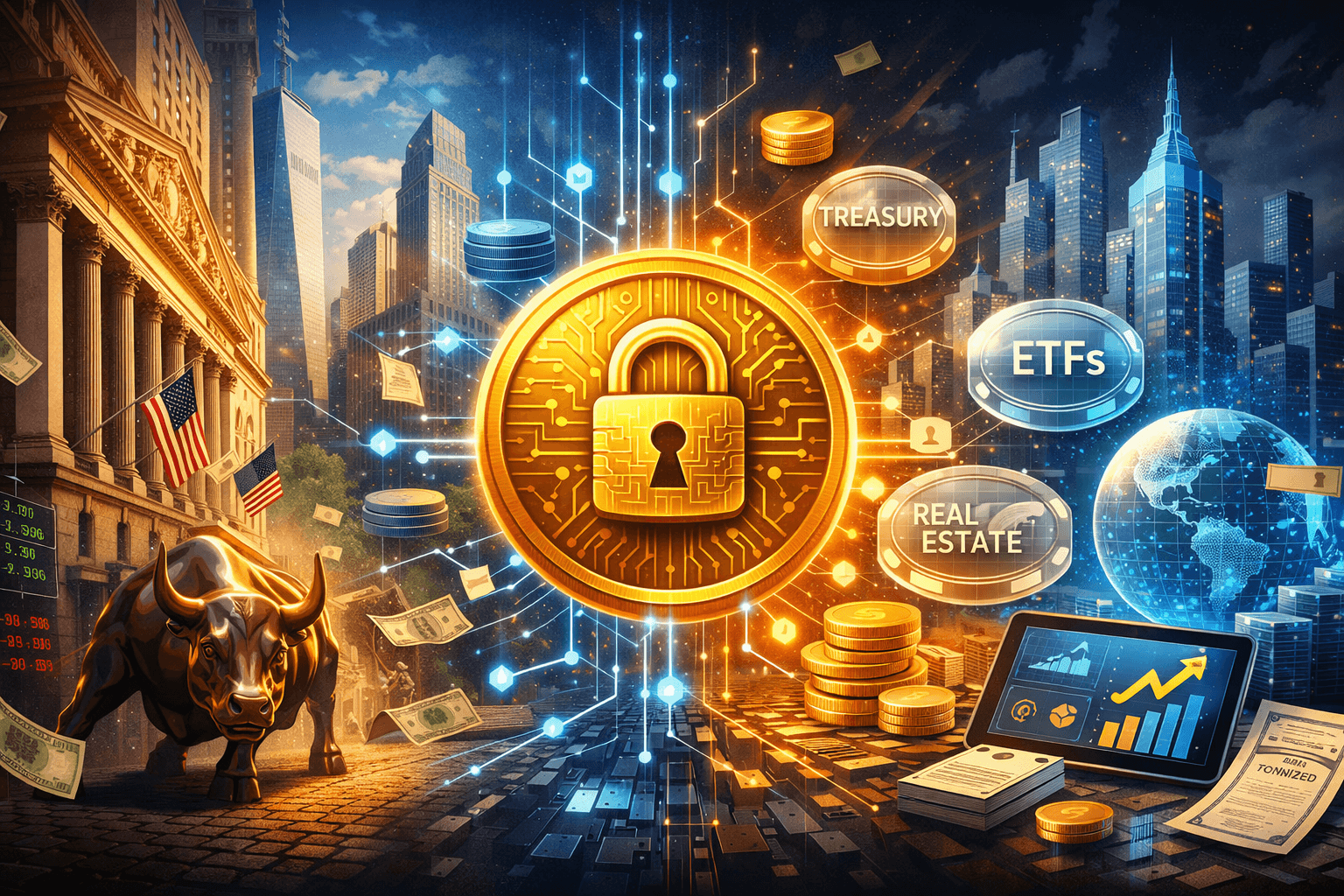
The key question on the table is surprisingly simple: can a regulated stock exist on blockchain technology without becoming a different financial product? In other words, could your Apple shares be tokenized, placed on-chain, and still have the same CUSIP, the same legal rights, the same dividends, and the same shareholder protections that they have today? Nasdaq seems to think the answer is yes, and their recent proposal outlines a system where traditional shares and tokenized shares would trade on the same order book. That means the market wouldn’t be creating two different products. Instead, blockchain would simply become a new settlement and custody layer beneath the familiar trading system. The comparison often used is that blockchain wouldn’t replace the skyscraper it would only replace the plumbing.
This shift is happening now because the push for innovation has been building for years. Market participants increasingly view blockchain as a way to modernize outdated systems that still rely on multi-day settlement windows, complex custodial chains, and expensive intermediaries. Tokenization promises faster settlement, lower costs, fewer middlemen, and potentially even 24/7 market access. Instead of waiting two days for a trade to settle, blockchain could finalize ownership in minutes. For retail investors, that means faster access to funds, less waiting, and fewer hidden risks. For institutions, it means reduced counterparty exposure and easier auditing. And for regulators, it might even lead to better transparency. The pitch is that blockchain could make equity markets smoother, cheaper, and more accessible without changing the rules that protect investors.



-640x427.png&w=3840&q=75)
-640x427.png&w=3840&q=75)