

Unlocking the future of finance by bridging tangible value with blockchain technology
In the rapidly evolving world of blockchain and cryptocurrency, Real World Assets (often shortened to RWAs) have emerged as one of the most exciting and transformative trends shaping the next era of digital finance. At its core, the concept of RWAs refers to physical or traditional financial assets that exist outside the digital realm but are represented on a blockchain in a tokenized form. This tokenization transforms ownership and value into cryptographically secure digital tokens, bringing real-world value into the on-chain ecosystem.
Understanding RWAs requires unpacking both the technology that makes them possible and the wide array of assets they represent. From real estate, bonds, and commodities to private credit and even fine art or intellectual property, RWAs can encompass anything with real-world value. Through blockchain tokenization, ownership of these assets becomes tradable, divisible, and programmable in decentralized finance (DeFi) systems fundamentally altering how traditional value flows across markets.
As institutional interest grows and platforms like RWA.xyz provide critical analytics and infrastructure data, RWAs are increasingly viewed as a bridge between traditional finance (TradFi) and decentralized systems. Organizations such as the Tokenized Asset Coalition (TAC) are furthering this evolution by bringing industry leaders together to build frameworks, share knowledge, and accelerate institutional adoption of asset tokenization.
What Exactly Are Real World Assets on Blockchain
Real World Assets in the crypto context are digital tokens backed by tangible or off-chain assets. Unlike native cryptocurrencies (like Bitcoin or Ethereum), which have no underlying claim on physical economic assets, RWA tokens represent claims on real-world value. These tokens are recorded on blockchains, providing transparency, immutability, and ease of transfer.
A tokenized real-world asset typically involves linking an off-chain asset such as a building, bond, or gold reserve to an on-chain digital token through a legal and technical process called tokenization. This process ensures that each token corresponds to a certain portion of the asset’s value and that ownership rights are enforceable both legally and on the blockchain.
Tokenization brings traditional assets into a programmable, digital form, allowing them to be fractionally owned, traded 24/7, and integrated into decentralized finance applications. These benefits have made RWAs a key focus for financial institutions, regulators, investors, and developer ecosystems aiming to merge traditional capital markets with the speed and accessibility of blockchain networks.
How Tokenization Works
The creation of a tokenized real-world asset generally flows through several important stages:
1. Asset Verification and Documentation
Before tokenization, the asset’s existence, value, and legal status must be verified. This includes property rights, financial documentation, legal transferability, and any regulatory compliance needed for the asset class.
2. Digital Metadata & Bridges
Once the asset is confirmed, relevant information about ownership, value, and legal conditions is converted into digital metadata. Blockchain oracles or secure data feeds bring this metadata onto a blockchain, making it accessible to smart contracts.
3. Token Minting and Issuance
Smart contracts are then used to mint digital tokens that represent the asset (or fractions of it). These tokens can be issued on major public blockchains and traded, sold, or managed via crypto wallets and DeFi platforms.
The Benefits of RWAs
The tokenization of real-world assets introduces several major advantages:
Increased Liquidity
Traditionally illiquid assets, such as commercial real estate or fine art, can become more liquid once tokenized. Investors can buy and sell fractional token positions easily on secondary markets.
Fractional Ownership
High-value assets become accessible to a broader audience through fractional ownership, lowering barriers for smaller investors. Instead of buying an entire property, investors can own a fraction represented by tokens.
Global Accessibility
Tokenized assets can be bought and sold anywhere in the world, enabling investors in emerging markets to participate in opportunities traditionally reserved for large institutions.
Speed and Efficiency
Blockchain technology automates and streamlines settlement, reducing the time and administrative overhead associated with traditional asset transfers.
Transparency and Security
Because every transaction and ownership record is stored on a public ledger, stakeholders gain transparency into asset histories and movements, helping to reduce fraud and enhance trust.
RWA Market Landscape, Facts & Figures
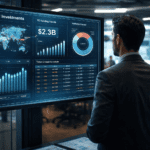
Platforms like RWA.xyz have emerged to provide clarity and data intelligence in this rapidly expanding sector. RWA.xyz aggregates and standardizes data from tokenized real-world asset markets across multiple blockchains. This helps investors, regulators, and issuers monitor market activity, track transactions, and understand the distribution of assets on-chain.
According to recent data visible on the RWA.xyz dashboard, the total represented asset value on chain has reached into the hundreds of billions of dollars, with millions of transactions and tens of blockchain networks participating in RWA issuance.
While major financial institutions like banks, investment firms, and technology partners are engaging with RWA data and analytics, organizations like the Tokenized Asset Coalition (TAC) bring together industry stakeholders to advance tokenization standards, policy frameworks, and market tools to support the ecosystem’s growth.
Challenges Facing RWA Tokenization
For all its advantages, RWA tokenization also faces hurdles:
Regulatory Complexity
Since tokenized assets represent claims on traditional assets, they often fall under securities regulations. Regulatory frameworks vary across jurisdictions, affecting how RWA tokens are issued or traded.
Liquidity Barriers
Although tokenization can enhance liquidity, many RWA markets currently have low trading volumes compared to native crypto assets. Limited secondary markets and whitelisting requirements can restrict participation.
Legal Enforcement and Custody Risks
Ensuring that on-chain token ownership corresponds to legal ownership off-chain is complex. Custodial agreements, legal documentation, and compliance frameworks must be strong and transparent.
Geopolitical and Regulatory Shifts
In some countries, such as China, regulators have tightened oversight or banned certain crypto activities, including aspects of RWA tokenization unless approved through strict channels. These policy shifts can influence where and how RWA markets evolve.
The Road Ahead for RWAs
Despite challenges, the tokenization of real-world assets continues to attract attention from institutional and retail investors alike. Forecasts by financial analysts suggest that tokenized asset markets could expand dramatically over the next decade, potentially reaching into the trillions as infrastructure, compliance frameworks, and market acceptance continue to mature.
Innovations in decentralized oracles, cross-chain token frameworks, and hybrid DeFi-TradFi systems are shaping new pathways for RWAs to integrate deeply into financial markets. Organizations like the Tokenized Asset Coalition further support this evolution by creating shared frameworks and educational resources for industry players.
As real-world assets migrate onto blockchain networks and market mechanisms adapt, RWAs hold the promise of democratizing access to assets previously reserved for large institutional players. Whether for diversified investment, improved capital efficiency, or the democratization of global finance, RWAs represent a foundational pillar of the next generation of digital economies.