


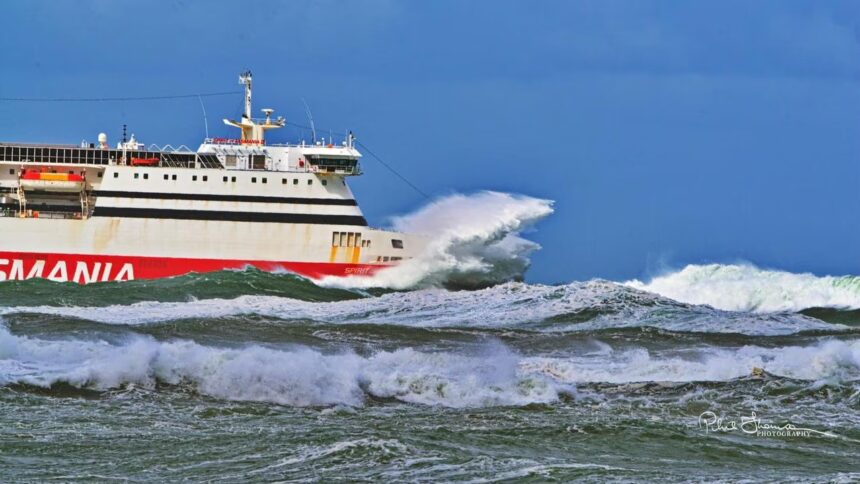
What It Means for the State’s Economy and Future Transport Links
The future of ferry services between Tasmania and mainland Australia has become one of the most talked about political and economic issues in the state. At the heart of the debate is ‘Hundreds of millions’: Tasmanian ferry operator bailout could grow Pulse Tasmania article
, which describes how the troubled state-owned ferry operator TT-Line known to most Tasmanians as the Spirit of Tasmania service may require even more taxpayer money to keep its operations alive.
The ferry service is more than just a transport link. It is a vital part of Tasmania’s connection with the mainland, carrying passengers, vehicles and freight across the often tempestuous Bass Strait. Its importance to tourism, business and community life cannot be understated. But recent events have revealed deeper issues in how the new Spirit ferries and associated infrastructure have been managed, leading to spiralling costs, questions about oversight and the increasing likelihood that Tasmania’s public purse will be asked to shoulder much of the financial burden.
The Current Situation: Rising Costs and Bailouts
In November, TT-Line received a $75 million bailout as part of the state’s interim budget to help the company navigate mounting pressures. That decision was made amid significant cost overruns associated with both new ferries and the accompanying berth infrastructure. Prior to that, the government had already increased the company’s borrowing cap by $400 million in an effort to keep the project on track.
However, insiders and commentators now suggest that even more taxpayer funding could be needed. Political commentators on a recent podcast estimated that the total bailout figure could reach “hundreds of millions” more once all cost blowouts and ongoing financial issues are factored in. The concerns stem from both miscalculations in initial cost estimates and unforeseen expenses tied to the new vessels and port upgrades.
What Went Wrong
Massive Cost Blowouts
The replacement project for the twin Spirit of Tasmania ferries has seen costs balloon well beyond early projections. For example, berth infrastructure in Devonport, initially budgeted at $90 million, has now been reported to cost close to $500 million. This kind of increase is not just a minor adjustment; it represents an almost fivefold jump from original expectations.
Commentators have also pointed to millions spent on unexpected modifications, such as hull work and storage of the new vessels, as well as an $81 million payment to the Finnish shipbuilder. These unforeseen costs have added pressure on an already tight budget and strained TT-Line’s finances.
Operational and Management Challenges
The project has been plagued by a series of setbacks beyond simple cost increases. There have been reports of delays in berth construction at Devonport, problems with vessel systems and even human errors that resulted in expensive fixes. The cumulative impact of these issues has eroded confidence in the original management plans and raised questions about oversight.
In one particularly illustrative example, hull strengthening and fender rebuilds were needed after wrong specifications were acted upon, costing the company an additional $9 million. While this may seem like a small amount relative to the total budget, it highlights the level of operational detail that has added up throughout the project.
Is TT-Line Insolvent?
One of the most serious developments in recent months was the declaration by Tasmania’s Auditor-General that TT-Line was effectively insolvent at the time its books were audited. According to the August audit, the company could not meet its long-term debt obligations.
This insolvency finding triggered concern across political and business circles, as a state-owned company being unable to cover its debts represents more than a simple budget issue it affects credit arrangements, public confidence and long-term strategic planning.
TT-Line’s board has pushed back against the insolvency declaration, arguing that with government support and undrawn government-guaranteed borrowings, the company remains viable. However, this debate underscores the financial fragility of the operation as it stands.
Why More Funding May Be Unavoidable
There are only a few viable paths for TT-Line’s survival that have been discussed publicly. One option is a further government bailout potentially in the hundreds of millions of dollars. Another option would be significantly increasing fares for passengers and freight.
The political reality is that letting the service fail could have serious repercussions. Tasmania is heavily reliant on its ferry link for tourism, trade and community ties to the mainland. Ending ferry operations or seeing service cuts would disrupt businesses, deter visitors and limit options for residents who depend on sea transport.
Therefore, many policymakers view ongoing financial support as a necessary, albeit expensive, commitment to an essential service.
Impacts Beyond the Budget
Tourism and Local Economy
Tasmania’s tourism industry benefits greatly from the ferry service, which makes travel more accessible and appealing to mainland Australians. Increased costs for passengers or reduced services could have downstream effects on tourism revenue and local jobs.
Freight and Business Logistics
For many businesses, especially those transporting goods to and from the island, the ferries provide a crucial logistics link. Higher freight costs or less predictable sailings could raise operating costs and impact competitiveness.
Public Confidence and Governance
The scale of the cost overruns and the ongoing debate about bailouts has eroded some public confidence in the government’s ability to manage large-scale infrastructure projects. It has also raised questions about procurement processes, contract oversight and risk management in public enterprises.
The Road Ahead
Tasmanians and observers from across Australia will be watching closely as the state budget is finalised. With predictions that additional funding will be proposed around the next budget announcement, the question remains how much more will be asked of taxpayers.
The newly appointed TT-Line leadership team will also be tasked with presenting long-term strategies to ensure the company’s financial sustainability. Whether that includes new financing models, partnerships or operational reforms remains to be seen.
Ultimately, the saga of Tasmania’s ferry replacement project is a cautionary tale about the challenges involved in delivering major public infrastructure in a tightly constrained fiscal environment.
Supporting the Servicing of Bass Strait
The Spirit of Tasmania vessels serve a transport route that is vital to the island state’s connection with the mainland. Under the Bass Strait Passenger Vehicle Equalisation Scheme, the ferry service has historically been subsidised to make travel fairer and more affordable.
A Complex but Critical Lifeline
Whatever the final cost ends up being, the ferry service itself is far more than a simple connection. It is a literal and symbolic lifeline, linking communities, supporting businesses and helping maintain Tasmania’s place in the broader Australian economy.