


How Censorship, National Tech Policy, and the Decentralization Gap Collide
What the CryptoSlate & Barron’s Reports Reveal
In early February 2026, Russia sharply escalated its internet and messaging censorship, moving to fully block WhatsApp and severely restrict Telegram two of the world’s most popular messaging platforms. This shift has shaken internet users inside Russia and reignited global debates about digital sovereignty, censorship, encryption, and the limitations of decentralized technology. This article explores the facts around the ban, the Kremlin’s motivations, the reactions from tech platforms, and the broader implications for freedom of communication and decentralized alternatives.
Why Russia Blocked WhatsApp and Restricted Telegram
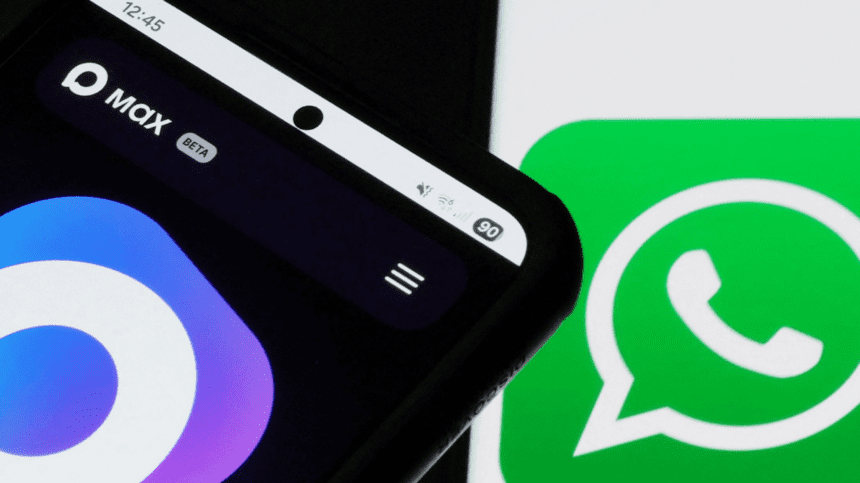
In February 2026, Russia’s communications regulator, Roskomnadzor, removed WhatsApp from its national internet directory and effectively cut off access to the service for users within the country unless they use VPNs or other circumvention tools. The Kremlin cited WhatsApp’s alleged failure to comply with local legislation, including requirements to store data on Russian servers and cooperate with security services. WhatsApp is owned by Meta Platforms and reportedly had around 100 million users in Russia before the block.
The Russian government simultaneously imposed throttling measures on Telegram, a messaging app founded by Russian-born entrepreneur Pavel Durov and widely used both by civilian populations and, reportedly, by military personnel. Roskomnadzor claimed this restriction was due to non-compliance with legal obligations, though critics see it as part of a broader effort to eliminate independent communication platforms.
The State “Sovereign Internet” and the Rise of Max
Moscow’s censorship strategy fits into its longstanding push for a “sovereign internet” a controlled digital ecosystem where foreign platforms must conform strictly to Russian rules or be blocked. This concept has been under development since Russia first began restricting Western social media platforms after the 2022 invasion of Ukraine, banning or limiting access to services like Facebook, Instagram, Twitter, and YouTube over the past few years.
To replace blocked foreign services, Russia is promoting its state-backed messaging app called Max, a super-app modeled after China’s WeChat. Max reportedly must be pre-installed on all new smartphones sold in Russia and is heavily marketed by state media. Critics and digital rights advocates argue that Max is designed for government oversight and surveillance, lacking robust end-to-end encryption and requiring extensive user permissions that could expose chats, contacts, and metadata to authorities.
Users Turn to VPNs, but Government Tightens Grip
Faced with the sudden loss of WhatsApp and restrictions on Telegram, many Russians have turned to virtual private networks (VPNs) to circumvent censorship and stay connected to blocked services. VPN usage reportedly surged immediately after blocks were implemented, though Russia is also investing in AI-powered techniques to detect and block VPNs, raising the complexity of maintaining free access.
Despite growing pressure, neither WhatsApp nor Telegram has permanently left the country. WhatsApp continues to seek ways to keep users connected and has publicly stated that isolating millions of people from encrypted communication is a harmful step. Telegram’s founder Pavel Durov has strongly condemned the state’s actions as an attempt to force users onto a government controlled platform and to erode privacy protections.
What CryptoSlate Says About the “Decentralization Gap”
A recent CryptoSlate article sheds additional light on a dimension often overlooked in this digital confrontation: the gap between decentralized technology’s promise and user realities. The piece argues that while Russia’s censorship could have been an ideal real-world stress test for decentralized platforms especially decentralized messaging systems mainstream users simply didn’t adopt these alternatives at scale.
Despite years of development, alternatives such as Session, Status, or XMTP-based inboxes remain fringe technologies with small user bases. Most people prefer platforms like WhatsApp or Telegram because they offer convenience, familiar interfaces, reliable message delivery, and broad network effects. Decentralized systems often trade off usability and performance for censorship resistance, and many users don’t recognize the need for those trade-offs until a crisis hits.
This situation reveals the “decentralization gap”: decentralization can work in theory, but it requires significant network effects, intuitive user experiences, and clear incentives for adoption before mass migration from mainstream platforms can occur. Without these, even geopolitical shocks like Russia’s censorship crackdown won’t drive users toward decentralized alternatives.
Broader Implications for Internet Freedom and Geopolitics
The Russian crackdown contributes to the fragmentation of the internet sometimes referred to as the “splintering” of global communications infrastructure. When major countries erect digital boundaries and insist on sovereign alternatives, the global internet becomes less interconnected, potentially weakening tools that have historically enabled cross-border communication, economic integration, and civil society coordination.
Critics argue that blocking encrypted messaging services undermines privacy, freedom of expression, and personal security. Encrypted services like WhatsApp help protect users against eavesdropping, authoritarian intrusion, and criminal interception. Replacing them with platforms that lack strong encryption or are tightly integrated with state surveillance could chill free speech and make digital communication more vulnerable.
On the other hand, authoritarian states frame their actions as necessary for national security, crime control, and compliance with local laws. The Kremlin argues that foreign tech platforms must abide by Russian legislation or face restrictions, including data localization mandates and obligations to cooperate with law enforcement. Whether these justifications hold up under international human rights frameworks remains a subject of contention.
Thoughts
Russia’s decision to block WhatsApp and restrict Telegram marks a significant expansion of digital censorship in 2026. It demonstrates how governments can leverage regulatory and technical tools such as DNS manipulation, deep-packet inspection, and national network registries to control online environments. While decentralized technologies promise resilience against censorship, mainstream users tend to stay with familiar platforms until the pain of censorship becomes unbearable. This “decentralization gap” highlights an unresolved challenge for proponents of decentralized communication: building systems that are both censorship resistant and broadly appealing.