

“Bitcoin BRC-20 NFTs skyrocket, top overall NFT sales, signaling multi-chain growth.”
In the first days of 2026, the NFT (non-fungible token) market showed one of its strongest weekly rebounds in months, with total sales volume jumping sharply and signaling renewed interest across multiple blockchain ecosystems. According to CryptoSlam analytics, during the most recent week NFT sales climbed by 37.41% to reach $88.29 million, significantly up from the prior week’s $65.58 million. This surge was accompanied by marked increases in both buyer and seller participation across major NFT marketplaces, underscoring a broader revival of trading activity in digital collectibles.
The expansion of market participation was notable: NFT buyers increased by 22.90% to 342,044, while sellers rose 24.17% to 242,004, indicating a strengthening of both demand and supply dynamics. Meanwhile, the total number of NFT transactions rose by more than 10%, crossing 937,495 classified sales, as recorded in the latest blockchain data. These figures not only reflect renewed enthusiasm for digital assets but also suggest that broader crypto market confidence including Bitcoin and Ethereum price action may be having a positive spillover effect on NFT trading.
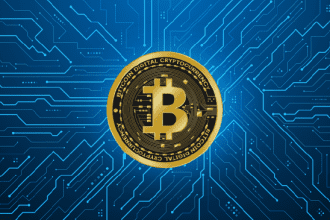
A key standout from this week’s data was the performance of BRC-20 NFTs on the Bitcoin network a development that marks one of the clearest shifts in attention from Ethereum to Bitcoin within the NFT segment. The $X@AI BRC-20 collection led the market with $23.14 million in sales, representing an extraordinary 1,099.81% week-over-week increase in trading volume. What makes this surge particularly intriguing is that it was driven by just 12 transactions involving 12 buyers and 12 sellers, illustrating a highly concentrated volume of high-value trades rather than high frequency. Such concentrated trading around a select few assets hints at a growing narrative of Bitcoin-native NFTs gaining a foothold in the broader non-fungible token economy.
This eye-popping performance was punctuated by a record-breaking sale of a single $X@AI BRC-20 NFT, which fetched 195.0081 BTC (approximately $17.13 million) one of the largest individual NFT sale figures in recent memory, even rivaling many high-profile Ethereum-based art sales from prior cycles. Additional sales of $X@AI NFTs at roughly 53.1894 BTC and 15.0071 BTC further contributed to the collection’s outsized impact on market volume.
Behind this shift, Bitcoin’s NFT sales overall jumped 144.41% to $29.95 million, overtaking Ethereum traditionally the dominant chain in the NFT space which recorded $27.57 million in weekly sales. Ethereum still saw healthy growth (about 39.08% week-over-week) but was eclipsed by Bitcoin’s dramatic surge in both volume and percentage gains. Ethereum also recorded more wash trading than Bitcoin in the same period, though the exact economic impact of wash trades across NFT ecosystems has been a subject of debate, as analysts point out their potential to distort true market activity.
Still, Ethereum’s position as a global NFT hub remains significant, thanks to its deep liquidity, well-established marketplaces, and diverse range of blue-chip collections, from generative art projects to cultural icons like CryptoPunks and Pudgy Penguins. Indeed, CryptoPunks secured $2.69 million in sales during the week, underscoring the enduring appeal of legacy NFTs from the early days of mainstream crypto adoption. Other collections like YES BOND on BNB Chain and Pudgy Penguins on Ethereum also showed encouraging growth rates with YES BOND up about 24.76% and Pudgy Penguins surging 52.12% week-over-week further illustrating the diversity of market movements across chains.
Not all ecosystems saw growth. Polygon, which historically has been a strong player in low-fee and community-oriented NFT trading, experienced a 49.42% decrease in volume, dropping to $3.09 million in sales for the week. Solana, meanwhile, saw marginal gains, with a modest rise to just under $3 million signaling that while activity remains present, it was eclipsed by the more dramatic movements on Bitcoin and Ethereum.
While these numbers paint an optimistic picture, market participants should be cautious about interpreting short-term spikes as long-term trends without context. NFT markets have historically been volatile and sentiment-driven, often reacting sharply to macro price moves, broader crypto market narratives, or the emergence of highly anticipated collections or utility offerings. Additionally, the phenomenon of wash trading where transactions are artificially inflated through self-dealing or collusive activity has been documented extensively in NFT markets, raising important questions about the accuracy and sustainability of reported volume figures when such practices are significant.
Yet, even when accounting for such distortions, the breadth of growth in buyer and seller participation suggests that this week’s rebound may reflect more than just speculative fervor. With Bitcoin NFTs ascending to the top of the sales leaderboard and Ethereum maintaining strong performance, the NFT landscape appears to be evolving into a multi-chain ecosystem where different types of collectors, speculators, and communities find value across various technical and cultural niches.
This narrative shift also aligns with broader trends in decentralized digital assets, where blockchains beyond Ethereum are gradually carving out their own unique niches. For Bitcoin, traditionally seen as a store of value or digital gold, the integration of NFT activity challenges preconceived notions about its utility and opens up fresh avenues for innovation. Whether this represents a temporary anomaly or a durable reallocation of NFT activity remains to be seen, but for the moment, Bitcoin’s performance has undeniably captured significant market attention.
As the market enters the new year, observers, creators, and investors alike will be watching to see whether this growth translates into sustained interest, broader adoption, and new forms of digital asset utility. While the charted weekly gains are heartening, the long-term health of the NFT ecosystem may ultimately be shaped by factors such as platform usability, real-world adoption of NFT use cases, and continued investment in creative and gaming ecosystems that leverage tokenized ownership.
At its core, the latest surge in NFT activity suggests that despite periods of slowdown and skepticism, the digital collectibles market retains a capacity for rapid resurgence particularly when new narratives and technical innovations intersect to spark fresh excitement across blockchain communities.