

Understanding how new US tariffs could shape India’s exports and economic future today
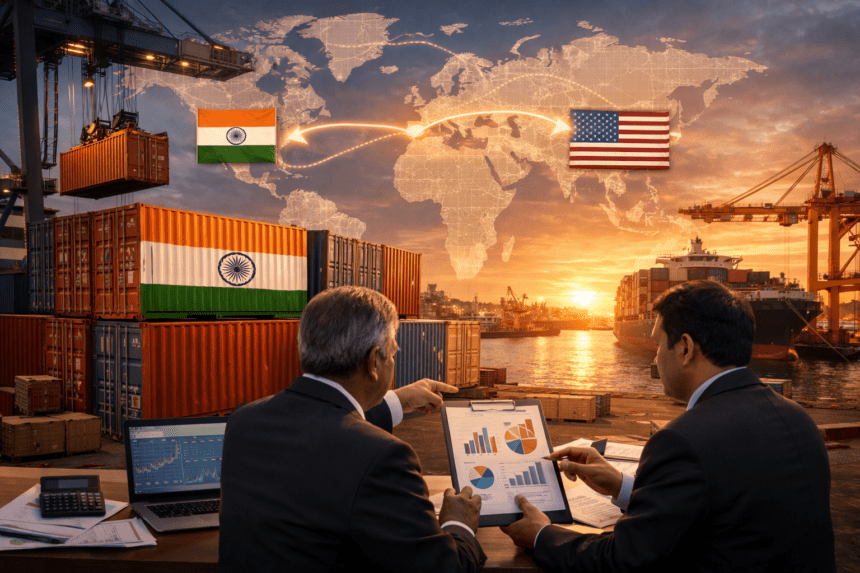
The Indian government is closely watching recent changes in United States trade policy after major developments in US tariff law and announcements by the US administration. These developments have introduced uncertain shifts in the rules that govern how much duty India must pay on goods it exports to the US, and they may have a real impact on trade, markets, and exporters across the country. India’s Commerce Ministry said it is carefully studying these developments and their implications for the Indian economy and exporters.
What Has Happened With US Tariffs
Recent weeks have seen notable developments in US tariff policy. The Supreme Court of the United States struck down most of the sweeping tariff measures that were introduced under the International Emergency Economic Powers Act. This ruling limited the ability of the US President to apply broad tariffs on imported goods without clear statutory authority.
In response to that ruling, the US administration quickly shifted to another legal basis within the Trade Act of 1974 to impose a temporary global tariff of 10 per cent on imported goods, which is due to take effect soon and will last for a period not yet fully clarified. For India, this means a reduced tariff rate compared with the previously much higher punitive tariffs that had been imposed.
The United States initially imposed tariffs as high as 50 per cent on Indian products, including punitive duties tied to India’s continued imports of Russian oil. Under the new order, the effective rate India may pay is approximately 10 per cent for a limited period.
India’s Government Response
India’s Commerce Ministry has publicly stated that it is reviewing all aspects of these changes to assess their effects on Indian trade interests. The ministry made it clear that it has taken note of both the Supreme Court judgment and the subsequent steps announced by the US administration. India’s government is weighing how these tariff changes affect companies, industries, and trade negotiations with Washington.
Commerce Minister Piyush Goyal and the Ministry of External Affairs have been involved in discussions about the implications of these moves. India’s leadership is expected to continue consultation with industry leaders, economists, and trading partners before final policy direction is announced.
Impact on Indian Exporters
The reductions in tariff rates could provide important breathing room for Indian exporters. A 10 per cent levy on exported goods makes Indian products more competitive in the US market compared with earlier periods when tariffs were significantly higher. Analysts believe labour-intensive sectors such as textiles, pharmaceuticals, engineering goods, gems and jewellery and other manufacturing segments stand to benefit from a lower duty environment temporarily.
However, exporters remain cautious because the tariff rate and its duration are still evolving. Many Indian industries had already felt the strain of high tariff costs before the reduction, and continued uncertainty may influence business planning, pricing and market strategies.
Trade Diplomacy and Ongoing Negotiations
The tariff developments come amid broader discussions between India and the United States aimed at strengthening bilateral economic relations. Earlier efforts included negotiations on an interim trade agreement and high level diplomatic engagement to increase bilateral trade volumes. The tariff changes introduce additional complexity into these talks but also open opportunities for fresh negotiation and cooperation on trade issues.
India and the US have been working toward strategic economic goals and complementary ties in areas such as technology supply chains, critical minerals, and export diversification. These ongoing dialogues remain important as both sides seek stable and predictable trade terms in the long run.
What Businesses and Citizens Should Watch For
For businesses engaged in exporting to the US, staying informed about tariff schedules, legal adjustments, and diplomatic developments is critical. Companies with major export volumes to the US from agricultural goods to manufactured products will need to plan for tariff impacts on pricing, competitiveness and long-term investment decisions.
At the same time, market watchers will likely follow additional rulings, trade negotiations, and potential further adjustments to tariff regulations. Whether the US adjusts import rules after the temporary period of 10 per cent tariffs, or whether new agreements are formalised between India and the United States, remains to be seen as discussions proceed.
The Global Trade Context
Tariff changes between major economies like India and the United States have wider implications beyond just bilateral trade. Global supply chains, sector competitiveness, regional trade partnerships and investor confidence can all be influenced by shifts in trade policy between large players. International economic organisations and trade groups continue to monitor these trends for broader market signals.
India’s role as a major exporter and a growing industrial hub means that changes in US trade policy can affect not only Indian markets but also global economic patterns, especially in sectors linked to emerging technologies and value added manufacturing.
India’s Commerce Ministry is continuing to communicate with other government agencies and industry leaders to form a coordinated response that protects national economic interests while seeking opportunities for growth and cooperation. As tariff developments evolve, policymakers, businesses and citizens will be closely watching what comes next.