
Separating verified facts from opinion and controversy in a debate that shapes public trust
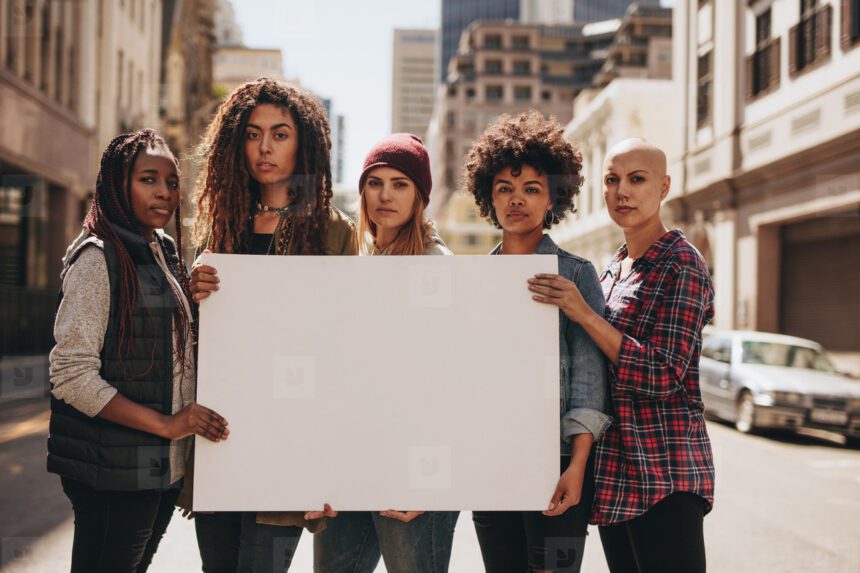
Public protests are a visible and emotional part of democratic life in the United States. They exist to pressure leaders, build solidarity, and signal that an issue matters deeply to the people affected by it. When large crowds gather, especially around polarizing topics, a familiar accusation often appears almost immediately. Someone claims the protesters are being paid. Over time one name has become central to that claim: George Soros. To understand why this narrative persists, it is essential to slow down and examine how activism is actually funded, where manipulation can occur, and where rumor replaces evidence.
The first and most important fact remains clear. George Soros does not personally pay people to show up at protests. There is no verified evidence that he hands out money to individuals to attend demonstrations, chant slogans, or hold signs. What does exist instead is a large and complex funding ecosystem around activism, one that is often misunderstood and sometimes deliberately misrepresented.
George Soros supports political and social causes through charitable foundations and nonprofit organizations. These organizations work on issues such as civil rights, voting access, criminal justice reform, journalism, and democratic institutions. Funding flows through grants to organizations, not to individual protesters. This distinction is critical, yet it is often lost in public debate.
Those organizations may employ staff. Organizing is labor, and labor is often paid. Staff roles can include community organizers, legal experts, researchers, communications professionals, and administrators. These staff members help plan events, secure permits, arrange transportation, coordinate safety, and communicate messages. This is where confusion frequently begins. Paid organizers are often mislabeled as paid protesters, even though their role is to build structure and coordination rather than to pretend to hold beliefs for money.
Participation in protests supported by these organizations is typically voluntary. People attend because they agree with the cause, feel personally affected, or want their voices heard. Being supported by an organization does not automatically mean a protest is fake or manufactured. Throughout American history, movements for labor rights, civil rights, women rights, and environmental protection relied on both organized funding and volunteer participation. Organization and authenticity have always existed side by side.
Astroturfing and the appearance of grassroots movements
One concept that helps explain much of the modern confusion is astroturfing. Astroturfing refers to campaigns designed to look like grassroots activity while being driven by organized interests. The name itself reflects the idea of artificial grass replacing real grassroots. Astroturfing can occur in many forms, both online and offline.
In practice, astroturfing may involve coordinated messaging across multiple groups, prewritten talking points distributed to supporters, sponsored coalitions that appear independent, or heavy investment in marketing to simulate organic enthusiasm. The defining feature is not simply that money is involved. The defining feature is that the true sponsor is hidden, creating a false impression of spontaneous public support.
Astroturfing is not limited to any one ideology. Corporations, political campaigns, advocacy groups, and wealthy individuals across the spectrum have been accused of using these techniques. The ethical concern arises when the public is misled into believing a movement emerged naturally from the community when it was in fact carefully engineered.
This distinction matters because astroturfing is often conflated with paid protesters. In many cases no one in the crowd is being paid to attend. Instead, money is used to amplify visibility, coordinate messaging, or dominate media coverage. The crowd may be real, but the perception of how and why it formed may be distorted.
Crowds for hire and staged attendance
A smaller but real phenomenon adds another layer of confusion: crowds for hire and staged attendance. There are companies that openly market services offering crowds or advocacy audiences for events. In these cases, attendance itself is the product being purchased. The goal is not usually long term activism, but optics.
The purpose of hired crowds is often visual impact. Bigger numbers make an event look more important. Louder presence attracts cameras. Carefully positioned participants create better images for media coverage. These tactics are most commonly used in public relations campaigns, product launches, or highly controlled demonstrations rather than mass social movements.
Participants in these situations may be paid hourly, given specific instructions, and asked to follow a script or hold generic signs. This looks very different from grassroots organizing, where participants are volunteers motivated by shared belief. However, to an outside observer watching a news clip, the difference can be difficult to see.
The existence of crowd for hire services proves that paid attendance can happen in some circumstances. It does not prove that most protests are bought. It also does not validate sweeping claims that entire movements are fake. Treating rare staged events as proof that all protests are manufactured is a leap unsupported by evidence.
Where public perception breaks down
Public perception is where the real damage occurs. Once the idea takes hold that protesters are paid, it becomes a universal attack line. Any crowd can be dismissed as fake without investigation. Genuine participants are labeled actors. Neighbors begin to doubt one another. The idea that ordinary citizens can express real dissent becomes suspect.
This erosion of trust benefits anyone who prefers confusion over accountability. It also carries real risks. When protesters are portrayed as paid operatives rather than people, harassment and threats become easier to justify. Dehumanization escalates hostility and discourages participation, weakening a core democratic feedback mechanism.
Another source of confusion is foreign influence. In many cases, the most effective manipulation does not involve paying people to attend protests. It involves amplifying division online, spreading conspiracies, and flooding social media with conflicting narratives. The outcome is similar. People stop trusting what they see and assume everything is staged.
Transparency as the common ground
Not all paid activity is illegitimate. Protests require logistics, printing, outreach, transportation planning, and legal support. Unions may pay organizers. Nonprofits may pay community coordinators. These practices are normal and often necessary. The ethical line is crossed when payment is used to disguise sponsorship or when people are paid to pretend they hold beliefs they do not.
This is why transparency matters. Across ideological lines, many people agree on several core principles. Large donors should be disclosed. Advocacy funding should be transparent. Astroturf campaigns should be labeled. The public should know who funds major movements. These expectations allow citizens to evaluate messages with context rather than suspicion.
What does not help is repeating claims without evidence. Saying that George Soros pays protesters may feel persuasive to some audiences, but it does not withstand scrutiny. It replaces investigation with assumption and shifts attention away from real questions about influence, accountability, and democratic participation.
The deeper issue is not whether money exists in politics. It always has. The deeper issue is whether money is used transparently or deceptively. Hidden influence and manufactured appearances undermine trust. So does spreading accusations that are not grounded in fact.
In the end, the truth sits between denial and accusation. George Soros does not personally pay people to protest. What does exist is a controversial but legal system of grant funded activism, alongside rare cases of staged attendance and broader concerns about astroturfing. That system deserves scrutiny, discussion, and transparency. It does not deserve distortion.
When facts are separated from opinion, and opinion from controversy, the conversation becomes more honest. Public trust depends on that separation. Without it, every protest becomes suspect, every voice becomes doubted, and democracy itself becomes harder to sustain.