
A Pakistani strike on a Kabul rehab hospital has triggered international alarm, but the true death toll remains fiercely disputed
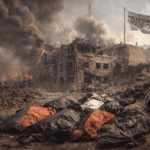
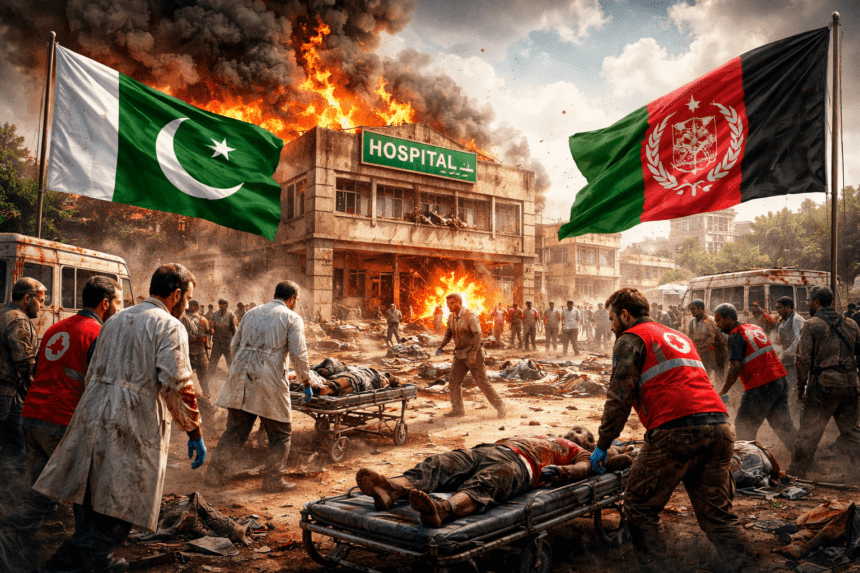
The war of words between Pakistan and Afghanistan has taken a darker turn after a devastating strike hit a major drug rehabilitation facility in Kabul, drawing condemnation from the European Union and adding fresh urgency to diplomatic efforts to stop the conflict from expanding. Reuters reported that the strike hit the Omid Addiction Treatment Hospital on Monday, March 16, 2026, in what Afghan Taliban officials described as one of the deadliest incidents in the current escalation.
The central dispute now is not just over responsibility, but over what exactly was hit.
Afghan officials say the target was a civilian medical and rehabilitation facility treating vulnerable patients, and they initially put the death toll at 408 dead with 265 injured. Pakistan has rejected that account, saying its forces targeted militant infrastructure and not a hospital or other civilian site. Reuters said the United Nations later gave a significantly lower confirmed toll of 143 deaths and 119 injuries, underlining how chaotic and contested the aftermath remains.
That gap matters because it changes how the world interprets the attack.
If the higher Afghan figures are ultimately confirmed, the strike would rank as one of the worst single mass-casualty incidents in Kabul in recent years. Even with the lower UN figure, the incident is still a major humanitarian disaster involving a protected civilian facility. Reuters also reported that witnesses and humanitarian accounts confirm the rehab centre itself was struck, even as Pakistan maintains it was aiming at military-linked infrastructure.
The European Union has now publicly condemned attacks on civilian and medical facilities and called for restraint, de-escalation and renewed dialogue. That aligns with a broader international response now taking shape, with the UN, regional mediators and aid groups all warning that the conflict is pushing civilians into the firing line. An earlier EU statement had already called for an immediate halt to hostilities amid a sharp rise in cross-border violence.
Behind the headlines sits a bigger regional crisis.
Pakistan and Afghanistan have been trading accusations for months over militant sanctuaries, cross-border attacks and responsibility for insurgent violence. Pakistan says the Afghan Taliban is failing to stop groups using Afghan territory to launch attacks into Pakistan. Kabul rejects that claim and accuses Pakistan of violating Afghan sovereignty through military action. Reuters and AP both say the Kabul hospital strike came amid a wider deterioration in relations that had already turned deadly before this latest incident.
There is at least one sign that both sides understand how dangerous this moment has become.
Reuters, AP and other outlets reported that Pakistan and Afghanistan agreed to a temporary Eid pause in fighting, helped along by mediation efforts involving Saudi Arabia, Qatar and Turkey. But that pause looks more like a pressure valve than a settlement. Both sides have made clear that military action could resume quickly if the ceasefire breaks down.
What makes this strike especially grim is the type of facility caught in the middle.
The Omid centre was treating people recovering from drug addiction in a country already struggling with widespread substance dependency and extremely limited rehabilitation capacity. Reuters said survivors and staff now fear not only the immediate toll, but the longer-term collapse of care for hundreds of patients who depended on the centre. In practical terms, the bombing did not just kill people. It may also have destroyed one of the few large-scale recovery systems available to them.
For now, the facts that seem strongest are these: a major Kabul rehab facility was struck on March 16, 2026; civilian casualties were severe; Pakistan denies deliberately targeting a hospital; and the casualty total is still disputed, with Afghan officials claiming more than 400 dead and the UN confirming at least 143. That alone is enough to make this one of the most serious flashpoints in the Pakistan-Afghanistan crisis so far.
The next phase will matter just as much as the strike itself.
If an independent investigation confirms a deliberate or reckless attack on a protected medical facility, the diplomatic and legal fallout could deepen sharply. If the truce fails, the region may be heading for a broader confrontation neither side can easily control.
For now, the ceasefire may have paused the shooting.
It has not paused the consequences.