

When political headlines fade leverage memory and market structure take control
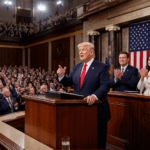
Bitcoin moved through another politically charged moment with surprising calm. When new tariff threats were floated again by Donald Trump proposing a potential twenty five percent levy on foreign imports the market reaction was notably muted. In previous cycles similar headlines caused immediate volatility but this time Bitcoin barely flinched. Price action remained steady volumes stayed controlled and sentiment did not spiral. On the surface it looked like resilience but beneath that calm surface something else may be unfolding quietly.
Markets often react not to news itself but to positioning and memory. The lack of reaction did not necessarily mean traders felt safe. Instead it suggested exhaustion. Bitcoin has lived through enough macro scares that tariff headlines no longer spark panic on their own. Traders have been trained by repetition. Inflation wars interest rate shocks and geopolitical threats have come and gone. Each time Bitcoin dipped then recovered. Over time fear becomes background noise.
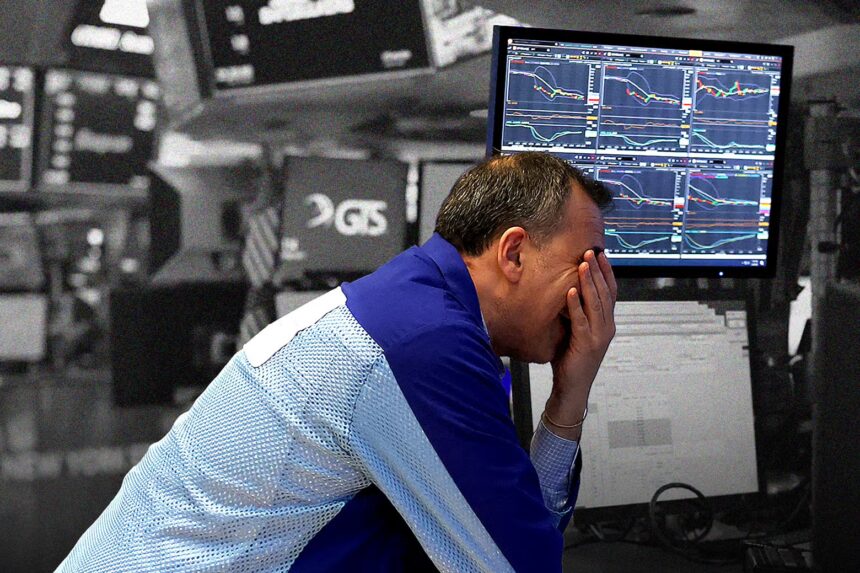
Yet while the market appeared to ignore political rhetoric another influence from the past may be slowly reasserting itself. October left behind a powerful lesson in leverage and forced selling. During that period roughly nineteen billion dollars in liquidations ripped through crypto markets in a short window. Long positions were wiped out rapidly cascading into deeper losses and causing structural damage to market confidence. That event left a psychological scar that never truly healed.
What is happening now looks less like a panic and more like a reset. Open interest has been quietly adjusting. Funding rates have cooled. Excess leverage that once dominated perpetual markets has been reduced. This is not dramatic deleveraging driven by fear but methodical repositioning driven by caution. Traders remember what happened when leverage piled too high last time.
Bitcoin thrives in environments where expectations reset slowly. Sudden rallies built on leverage tend to collapse under their own weight. The market learned that lesson the hard way. As a result traders are approaching risk differently. They are scaling into positions more carefully. They are reducing exposure during uncertainty instead of doubling down. This behavior creates stability but also hides fragility.
The absence of immediate reaction to tariff threats may also reflect a growing separation between political noise and crypto fundamentals. Bitcoin has matured enough to be influenced more by liquidity flows than campaign rhetoric. Global money supply interest rate expectations and institutional allocation matter more than speeches. That does not mean politics no longer matters but it means its impact is filtered through macro conditions first.
Still the shadow of October remains. Liquidation events do not simply disappear. They reshape behavior for months afterward. Every time price begins to rise too quickly traders recall how fast gains vanished before. This hesitation caps upside momentum but also reduces downside risk. The market is walking a tightrope between confidence and caution.
Another factor at play is the changing composition of market participants. Institutions and long term holders now represent a larger share of Bitcoin ownership. These players are less reactive to short term political threats. They hedge exposure they rebalance portfolios and they think in quarters not minutes. Retail traders once drove wild swings but their influence has diminished compared to earlier cycles.
At the same time derivatives markets remain powerful amplifiers of sentiment. Even with lower leverage the potential for cascading liquidations still exists. It only takes a catalyst combined with crowded positioning. The reason October hurt so badly was not the trigger itself but the accumulation of risk beforehand. That same risk is being monitored closely now.
What looks like calm could simply be tension stored beneath the surface. Markets often compress volatility before releasing it. Traders know this pattern well. Quiet periods invite complacency. Yet experienced participants remain alert. They watch funding rates basis spreads and liquidity depth rather than headlines.
Bitcoin ignoring tariff threats does not mean it is immune to macro stress. It means that stress is being priced differently. Instead of reacting instantly markets are waiting. They are watching central banks fiscal policy and capital flows. They are assessing whether inflation pressures return or ease. These forces matter more to Bitcoin valuation than political soundbites.
The idea of a liquidation ghost is not superstition. It is memory embedded in market structure. It influences how much leverage traders are willing to deploy. It shapes where stop losses are placed. It affects how quickly profits are taken. In that sense October never truly ended. Its consequences are still playing out quietly.
If leverage continues to reset in an orderly way Bitcoin may build a healthier foundation for future growth. Slow accumulation tends to produce stronger trends. However if complacency returns too quickly risk could rebuild unnoticed. That is when liquidation ghosts become real again.
For now Bitcoin sits at an uneasy balance point. Political noise fades into the background. Leverage cools. Volatility sleeps. This is not a victory lap. It is a pause. History suggests that such pauses rarely last forever.