

A Strategic Move in the Web3 Gaming and Digital Collectible Landscape
In January 2026, amid renewed optimism in the non fungible token sector, Animoca Brands made a strategic acquisition with significant implications for Web3, gaming, and digital collectibles. The company announced that it had acquired Somo, a gaming and digital collectibles studio known for its engaging 3D “collect and battle” titles and tradable assets. This move comes as the broader NFT market shows early signs of recovery, with market capitalization rising sharply after a prolonged downturn in 2025.
Animoca’s acquisition of Somo underscores a shift in focus from passive digital art assets toward interactive and utility driven NFTs that are integrated into broader blockchain ecosystems. This article explores the background of the deal, what it means for Animoca and the NFT market, and how this moment might mark a turning point for digital collectibles as a whole.
The NFT Market Rebounding After a Slump
Non fungible tokens experienced a significant boom between 2021 and 2024, with market capitalizations once reaching double digit billions. Yet after the peak of 2024, the market saw subdued trading activity, lower valuations, and waning investor enthusiasm throughout 2025. All that changed at the start of 2026.
According to data from CoinGecko, the global NFT market cap rose by about 20 percent in the first two weeks of the year, moving from roughly US$2.5 billion on January 1 to over US$3 billion by mid January. This rise was driven by increased trading volume and renewed interest, especially in blue chip collections. Notably, a sharp surge in activity and market cap occurred over a single 24 hour period, contributing a substantial portion of the gains reported in that short span.
Despite this growth, the broader NFT market remains far below its previous cycle highs. For comparison, the total NFT market cap stood at about US$7.3 billion in mid January 2025, meaning the sector is still down roughly 59 percent year on year. Thus the rebound seen in early 2026 while encouraging still reflects a market in recovery rather than a full return to peak performance.
Who Is Animoca Brands and What It Brings to Web3
Animoca Brands Corporation Ltd is a Hong Kong based company with roots in video game development that has pivoted toward blockchain gaming and Web3 investments since 2018. The company has been a major early backer of significant blockchain and NFT focused projects, and its portfolio includes titles and platforms like The Sandbox, Axie Infinity, and many others. Beyond games, Animoca has invested in platforms like OpenSea and blockchain infrastructure that supports decentralized digital ownership.
Through its acquisitions and investments over the years, Animoca has positioned itself at the intersection of gaming, collectibles, and decentralized technology. Buying Somo is an extension of this strategy, bringing a studio with expertise in interactive digital collectibles and community driven gaming into Animoca’s broader ecosystem.
The Strategic Importance of the Somo Acquisition
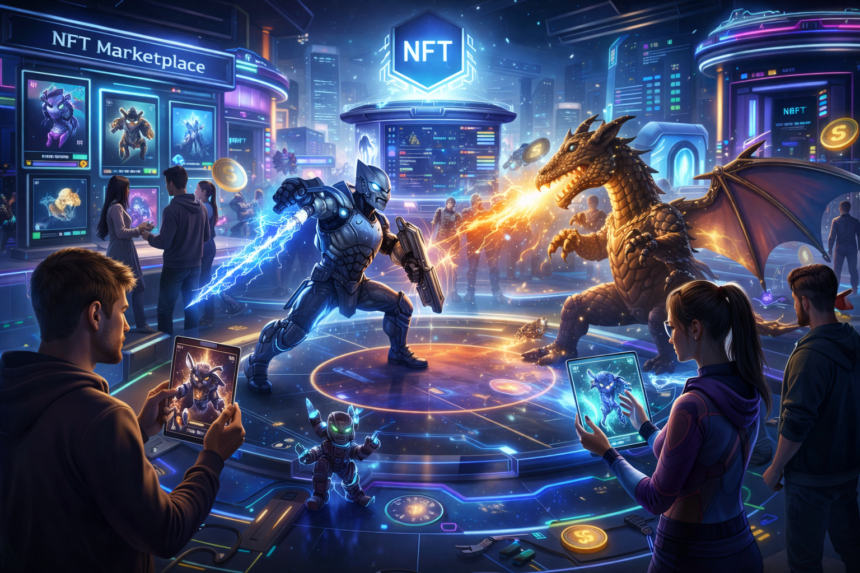
The deal announced in mid January 2026 centers on integrating Somo’s technology, user base, and digital assets into Animoca’s global Web3 infrastructure. Somo’s portfolio includes playable and tradable collectibles that blur the line between gaming and digital ownership, allowing users not only to collect unique NFTs but also to interact with them in immersive ways.
Animoca Brands co founder and executive chairman Yat Siu described Somo as building a “cultural operating system for collectibles,” noting that its vision complements Animoca’s existing platforms and community ecosystems. The acquisition does not just bolster Animoca’s product lineup it deepens the company’s foothold in interactive and utility based digital assets, positioning it to take advantage of shifts in how users engage with NFTs and Web3 services.
What truly makes the acquisition noteworthy is timing. Coming alongside early signs of a market rebound, it signals Animoca’s confidence in the long term trajectory of NFTs and Web3 entertainment. Rather than retreating after the downturn of 2025, the company appears to be doubling down on strategic growth.
NFTs and Gaming: A Convergence of Utility and Culture
One of the major developments within the NFT space in recent years has been the move toward NFTs that have utility beyond static ownership. Traditional digital art style NFTs revolutionized digital ownership but did little to directly engage users beyond collection and speculation. Interactive NFTs, on the other hand, are designed to be used within games, metaverse platforms, and other digital environments, providing ongoing engagement and potential revenue opportunities.
Somo’s asset types which include 3D collectibles that can be played or battled with fit this trend directly. By integrating these assets into a larger network of games and platforms powered by Animoca, both companies hope to deepen user engagement, drive trading volume, and offer experiences that feel like digital culture rather than mere speculation.
This focus on utility and interaction could be part of what attracts renewed interest from participants in the space. While overall market values remain compressed compared with prior peaks, a shift in market psychology toward longer term use cases may help stabilize valuations and attract both retail and institutional users back into the NFT ecosystem.
Broader Crypto Market Dynamics and Investor Sentiment
The rebound in the NFT market in early 2026 also aligns with broader trends in the cryptocurrency space. Major digital assets like Bitcoin and Ethereum have shown more stable price action, encouraging renewed participation across sectors, including NFTs, decentralized finance, and blockchain gaming. Some analysts suggest that as macroeconomic conditions stabilise and digital asset infrastructure matures, sectors like NFTs will benefit from expanded liquidity and renewed interest.
However, not all observers agree on the sustainability of the rebound. Some community members and market commentators characterize the early 2026 rally as a possible “short term bounce” rather than a full recovery, noting that true market cycles are generally longer and require sustained engagement to solidify growth. Whether the current upward momentum is a turning point or simply a temporary uptick remains a topic of debate among investors and enthusiasts.
What This Means for Web3 and Digital Ownership
The Animoca Brands acquisition of Somo is more than a headline grabbing corporate move it reflects evolving priorities in the broader Web3 ecosystem. Investors, developers, and users alike are increasingly focused on platforms and assets that deliver genuine utility, community value, and interactive experiences.
Utility driven collectibles that are integrated with gaming, social platforms, and virtual worlds may prove to be more resilient than earlier speculative driven NFT models that dominated the market at its peak. By embedding NFTs into broader ecosystems where they serve meaningful functions as in game economies or metaverse platforms companies like Animoca are betting on a future where digital ownership is deeply connected to user experience.
In this view, Somo’s acquisition may be a harbinger of what’s next for the NFT space: a shift away from purely financial speculation toward ecosystems where NFTs are vital components of digital life, entertainment, and culture.
Challenges and Opportunities Ahead
While the NFT market has rebounded in early 2026, challenges remain. Market capitalisation remains well below prior highs, and participation levels vary widely across collections and platforms. New users may be cautious, waiting to see if current gains persist before committing capital or time.
Another challenge lies in balancing hype with sustainable growth. Projects that promise utility but fail to deliver engaging experiences risk contributing to market disillusionment. For NFT ecosystems to thrive, developers must focus on crafting rewarding experiences that go beyond simple ownership and foster real community and cultural value.
Yet with challenges come opportunities. The integration of gaming, social interaction, and tradable digital assets offers powerful new forms of digital engagement that could attract users from outside traditional crypto circles. As Web3 platforms continue to evolve, we may see entirely new classes of digital experiences built around this convergence of technology and culture.
Conclusion
The acquisition of Somo by Animoca Brands is a bold move at a pivotal moment for the NFT market and the broader Web3 ecosystem. Against the backdrop of an early 2026 rebound in NFT market activity, the deal signals renewed confidence in the long term potential of digital collectibles that are interactive, utility driven, and deeply embedded within gaming and cultural platforms.
While the NFT market is still on the road to recovery after a challenging 2025, strategic moves like this focused on integration, community engagement, and utility may help pave the way for a more resilient and diverse ecosystem of digital assets in the years to come.