

Unravelling the Call for a Parliamentary Inquiry into Police Handling of a Paedophile Cop Case
In early February 2026, political and community attention in Tasmania turned once again to one of the state’s most troubling chapters in recent memory: the case of a senior police officer involved in the sexual abuse of young boys and how authorities handled those allegations. The controversy centers on Senior Sergeant Paul Reynolds, a long-serving member of Tasmania Police whose conduct and the institutional response including decisions made at the highest levels have prompted calls from the Tasmanian Greens for a parliamentary inquiry into the matter.
At its heart, this issue goes beyond one individual offender. It touches on how trusted institutions respond to allegations of serious wrongdoing within their own ranks, how much oversight and transparency there should be, and whether leadership should be held to account for systemic failings and decisions that have caused profound harm to victims, families, and the broader community.
The Paul Reynolds Case: A Summary of What Happened
To fully understand the current political push for a parliamentary inquiry, it’s important to trace back the key facts and history of the Paul Reynolds case.
Paul Reynolds was a senior member of Tasmania Police who spent nearly four decades in the force until 2018. During that time, he held positions of influence and was deeply embedded in the communities where he worked, including involvement in local sport and youth organisations.
In September 2018, shortly after officers executed a search warrant at his home as part of an ongoing investigation, Paul Reynolds took his own life. At that time, authorities were looking into serious allegations that he had engaged in sexual grooming and abuse of teenage boys over many years.
Following his death, Tasmania Police conducted a public funeral for Reynolds with full honours, including an honour guard a decision that would later spark outrage and criticism from survivors, advocates, and many in the community. Even as questions about allegations circulated, the decision to treat a man under investigation for child sex abuse as a respected officer disturbed many and deepened wounds for those affected.
In response to public concern and the findings of the Tasmanian Child Sexual Abuse Commission of Inquiry a broader statewide review into how institutions responded to child sexual abuse an independent review, led by barrister Regina Weiss, was launched to examine the handling of allegations against Reynolds himself.
That review ultimately found that Reynolds had groomed and sexually abused at least 52 young boys over his long career, in some cases using his position and community involvement to gain access to victims.
However, according to published findings, the Weiss Independent Review did not find evidence that Reynolds was part of a paedophile ring, nor did it conclude that other officers had engaged in criminal wrongdoing. It also reported that there was no evidence that he manipulated investigations or prosecutions.
Why Greens Want a Parliamentary Inquiry
In February 2026, the Tasmanian Greens, led by Dr Rosalie Woodruff MP, renewed calls for a parliamentary inquiry into how senior police and government officials handled the allegations against Reynolds and the subsequent institutional responses to the case.
The Greens’ position is not simply questioning the actions of one person, but rather seeking a wider and more publicly accountable investigation into what happened and why. They argue that a parliamentary inquiry unlike a review confined within police processes or government structures would have the authority to subpoena witnesses, compel the production of documents, and hold hearings in public.
One particular concern raised is the longstanding personal and professional connection between former police commissioner Darren Hine and Paul Reynolds, including that they began their careers together and later were repeatedly assigned to the same stations. While the Greens do not allege wrongdoing by Hine, they say this close relationship and his involvement in decisions about how allegations were dealt with create questions that should be examined.
Fundamentally, the Greens argue that the Weiss Review and other internal processes, while important, may not have gone far enough in exploring the decision-making processes and institutional culture that allowed abuses to continue for so long and permitted what many see as a misguided public celebration of a man under investigation for serious offences.
The Legacy of Police Decisions and Community Trust
One of the most contentious points in this case was the decision to hold a full police funeral with honour guard for Paul Reynolds despite clear and credible information about the allegations against him at the time. Former Tasmanian political office documents show that briefing notes outlining child sex abuse concerns had been provided to senior officials before the funeral went ahead, raising questions about why this solemn and respectful ceremony was not reconsidered.
For people affected by Reynolds’s behavior and for members of the public struggling to understand how such decisions occur, this event became emblematic of broader alleged failures both in protecting young people and in how institutions protect their own reputation or personnel.
These concerns have been repeatedly raised by survivors and advocates, who argue that without transparent processes and public accountability, trust in law enforcement and government handling of serious misconduct cases is deeply weakened. A parliamentary inquiry, supporters say, would help answer not only what happened but why it happened and what changes are needed to prevent similar lapses in the future.
The Broader Context: Institutional Responses to Abuse
The issues raised by the Reynolds case are not isolated in Tasmania. Across Australia and many other countries, inquiries into institutional responses to child sexual abuse such as the Royal Commission into Institutional Responses to Child Sexual Abuse have highlighted how individuals and systems sometimes fail to protect vulnerable people or take prompt action against perpetrators.
These larger inquiries have shown that without clear oversight, courage to confront uncomfortable truths, and structures that prioritise victim-centred justice, institutions can inadvertently or even deliberately ignore warning signs, fail to act on complaints, or protect their own before community safety.
In Tasmania, calls for independent oversight of police complaints and misconduct investigations have been echoed by legal experts and advocacy groups, who say that an independent body separate from police or government may be better placed to investigate serious allegations impartially and transparently.
Voices from Survivors and Advocates
Beyond the political arguments, many survivors of abuse and advocates for child safety have spoken about the importance of accountability and cultural change. Earlier investigations into the Reynolds case showed that concerns about his behavior were raised years before meaningful action took place, and some former officers recanted allegations under internal pressure.
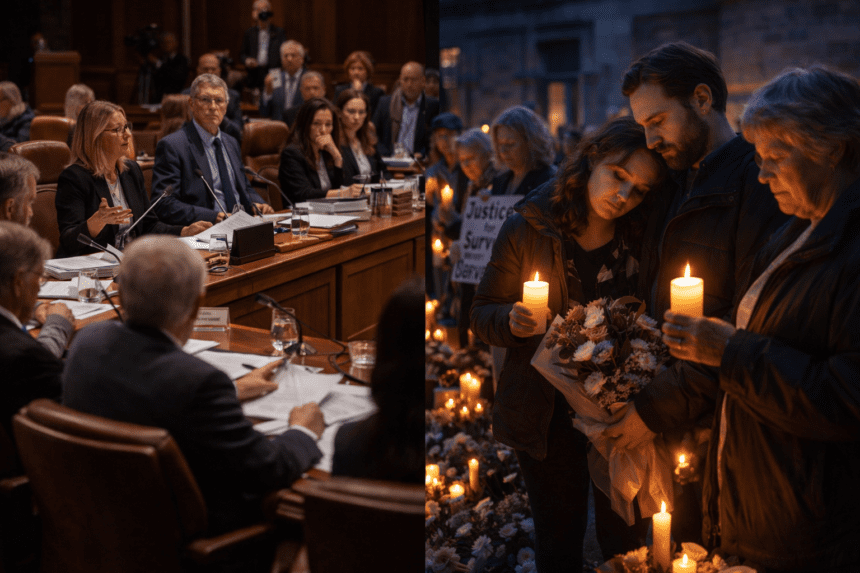
Supporters of a parliamentary inquiry say that giving victims and members of the public a platform to be heard, in a structured and accountable setting, could help address longstanding wounds and provide a sense of closure that internal reviews may not fully achieve.
What a Parliamentary Inquiry Could Entail
A parliamentary inquiry typically involves a committee of elected representatives and experts who gather evidence, hold hearings in public, and make recommendations to parliament. Such inquiries have significant powers, including the ability to compel testimony and access documents, and they often publish comprehensive reports with recommendations for reform.
In the case of the Reynolds matter, proponents of an inquiry say it could examine:
How allegations against Reynolds were handled over the years
Decisions made by senior police leaders and government officials
The awarding of a full police funeral and honour guard
The scope, powers, and independence of reviews that have already taken place
Institutional culture and barriers to reporting or acting on misconduct
A public inquiry could also put into the historical record the experiences of survivors and families affected by abuse and institutional handling of such cases, potentially leading to reforms in police oversight, complaint mechanisms, and cultural practices within law enforcement.
Balancing Transparency and Sensitivity
While many support the idea of a parliamentary inquiry, others caution that such processes must be handled with immense sensitivity due to the traumatic nature of the subject matter. Parliamentary committees must balance the need for openness with respect for privacy and care for survivors, especially when testimonies and evidence involve deeply personal experiences of abuse.
Any inquiry would need to be structured in a way that protects victim-survivors, supports trauma-informed engagement, and ensures that public hearings do not retraumatise individuals. These considerations are essential, even as the community seeks answers and accountability.
Where to From Here
As of February 2026, the push for a parliamentary inquiry is gaining political traction and media attention, but it remains to be seen how the Tasmanian parliament will respond. The Greens have written to relevant ministers and parliamentary leaders, and community organisations are rallying support for greater scrutiny and accountability.
Public debate continues about the best path to justice, institutional reform, and healing for survivors and communities affected by this case. At its core, the discussion reflects broader societal questions about power, trust, transparency, and how institutions should be held accountable when they fail those they are meant to protect.