


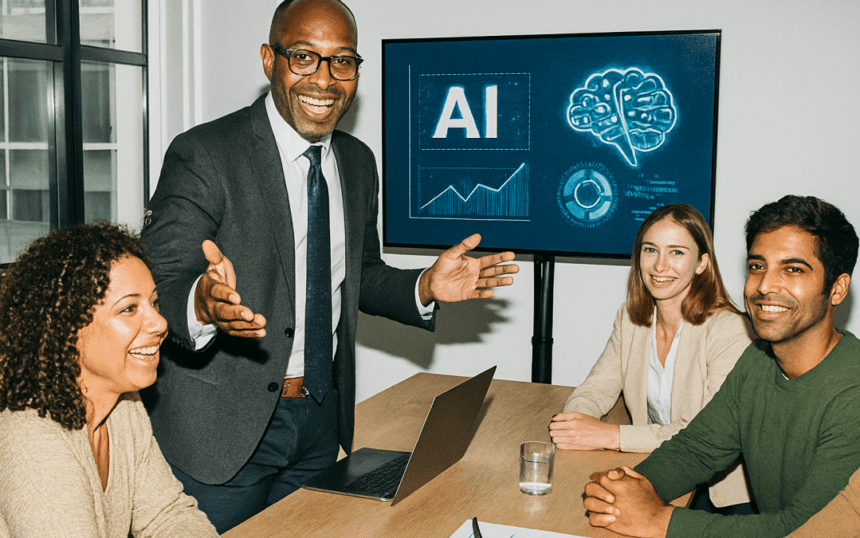
How leaders can reduce fear and build confidence as artificial intelligence becomes part of daily work life
In offices and factories around the world people are watching technology change the way work gets done. Machines that think in patterns and patterns that help people make decisions are no longer just ideas. They are tools arriving in teams and tasks on every continent. For many workers this change can feel exciting and full of opportunity. But for others it creates real fear and anxiety about job security career paths and identity. Leaders now find themselves tasked with more than installing new software. They must help people adjust mentally and emotionally to a new set of tools transforming work life.
Workforce anxiety about artificial intelligence is a real and measurable challenge. In one survey more than half of adults in the United Kingdom expressed concern about the impact new technologies could have on their work. Anxiety about job loss worry about fairness and uncertainty about the future all contribute to a tense environment. If leaders ignore these feelings the machines may arrive faster than people expect and the human reactions may slow or even block progress.
Allister Frost, a recognised expert in business transformation, believes the real struggle is not technological difficulty but fear and misunderstanding. People often think of artificial intelligence as something that has intelligence like a human or that it will magically solve every problem. Frost stresses that this view is inaccurate. He explains that the systems called artificial intelligence are tools that process patterns in data. They help people work smarter plan better and complete repetitive tasks but they are not sentient beings. They do not think feelings or desire. Clarifying this simple truth can change the narrative from fear to empowerment.
Business leaders sometimes see a quick path to cost cutting when new technologies arrive. They assume that replacing people with machines will deliver fast savings. But Frost warns that this short sighted path can damage a company over time. When experienced staff are let go the institutional memory that makes an organisation strong is lost. Skills built over years of hard work simply vanish. Instead of investing in machines while shrinking human capacity enterprises must balance new tools with human experience. This approach not only protects skilled workers but also preserves the knowledge needed for future adaptation.
Frost argues that leaders must start by listening to their teams. Many workers experience change fatigue. This is a genuine strain people feel when new expectations arrive faster than they can adjust. If management responds with top down edicts anxiety only grows. The solution begins with dialogue. Workers need safe spaces to voice concerns ask questions and feel heard. When employees feel included in discussions about how technology will be used they are less likely to see machines as threats and more likely to see them as tools for growth.
Clear communication is another essential tool in reducing anxiety. Rather than using abstract language about innovation leaders should point to specific tasks that AI can support. For example tools that automate repetitive data entry give people more time to focus on creative problem solving or strategic thinking. Explaining the reasons behind choices and the expected outcomes builds trust and reduces fear. For many employees the unknown is more frightening than the change itself. Transparent discussion brings the unknown into the light and opens room for cooperation.
Successful integration of new technology requires more than simple upgrades to software. It demands a cultural shift that turns fear into curiosity. Organisations that view new tools as partners in productivity rather than replacements for people do better in the long run. With this mindset staff are encouraged to experiment with technology explore its possibilities and grow their own capabilities. This does not happen all at once. It takes leadership that supports learning and rewards adaptation.
Leaders who wish to build confidence in their workforce must also invest in learning and development. This means setting up training programs that help people learn how to work with new technology. When employees know how to use tools and understand why they are being introduced their comfort level naturally increases. Training creates skill and skill creates confidence. It becomes easier for staff to see themselves as part of a future that includes both human insight and machine assistance.
Another important piece of the puzzle is governance and responsible oversight. Workers want to know that the systems helping them are fair safe and transparent. Organisations need policies that explain how data is used how decisions are made and how errors will be handled. Simple explanations about logic and limits of artificial intelligence tools make them less mysterious and less threatening. Trust in technology grows when people believe it can be checked understood and improved.
Leaders must also remind workers that history shows technology rarely eliminates jobs without creating new roles as well. Past waves of innovation changed the nature of work but also expanded opportunities. Robots replaced some assembly tasks but created new roles in machine design programming and service. Leaders can help staff see that this current transformation may also reshape jobs rather than remove them. Encouraging people to see this era as a chance to evolve rather than be replaced reduces anxiety and boosts engagement.
Managing anxiety when technologies arrive is not just a matter for human resource departments or technical teams. It is an essential part of organisational strategy. If fear goes unaddressed employees disengage or resist. This resistance can slow progress and reduce return on investment from new tools. Business success in a world of intelligent machines depends on balancing technological capacity with human confidence understanding and resilience.
For Frost the mission is clear. He wants to help leaders understand that technology works best when it empowers humans rather than replaces or threatens them. By reframing the conversation and focusing on augmentation rather than replacement organisations create an environment where people feel valued and included in the future of work. This strategy helps teams face the uncertainty of technological shifts with curiosity and confidence.
Workforce anxiety will not disappear overnight. It is rooted in real socioeconomic change and individual fears about identity and survival. But leaders who prioritise empathy respect communication and shared goals can help teams move beyond fear. The integration of new technology then becomes a collective project of learning growth and adaptation rather than a forced march toward the unknown.
As businesses adopt more intelligent tools the successful enterprises will be those that manage not just technology but people. In this new era machines and human beings will work side by side. Helping workers see this reality as an opportunity rather than a threat marks the difference between organisations that merely survive and those that thrive in the future world of work