

From Assistants to Agents How Consumer AI Becomes a Daily Decision Maker
Artificial intelligence is no longer a distant concept or a specialist tool reserved for laboratories and tech companies. By 2026 consumer focused AI has become deeply embedded in everyday life shaping how people shop communicate work create and relax. The biggest consumer AI trends are not defined by flashy demos but by subtle powerful changes in how technology anticipates needs reduces effort and enhances personal experiences. These systems operate in the background learning adapting and acting in ways that feel increasingly natural and human.
One of the most significant consumer AI trends in 2026 is the rise of personal AI companions. These are no longer simple voice assistants that answer basic questions or set reminders. Modern AI companions understand context preferences and routines across devices and platforms. They can manage schedules plan travel assist with budgeting and even provide emotional support through conversational interaction. For many people these companions feel less like tools and more like trusted digital partners that help navigate daily life. The shift toward long term memory and personalization means that each users AI experience becomes increasingly unique over time.
Another major trend is the widespread adoption of agent based AI systems that act autonomously on behalf of users. Instead of waiting for commands these systems take initiative within defined boundaries. For example an AI agent may monitor prices and automatically purchase household items when they reach a preferred cost. It may book appointments handle subscriptions or negotiate service changes without constant user input. This move from reactive assistance to proactive action marks a turning point in consumer technology and changes expectations around convenience and control.
Consumer creativity is also being transformed by AI in 2026. Generative tools for images video music and writing have matured into everyday creative companions. People with no formal design or artistic training can now produce professional quality content for personal projects social media and small businesses. AI assists with idea generation refinement and execution while still allowing users to maintain creative direction. This democratization of creativity has led to an explosion of user generated content and new forms of self expression across digital platforms.
AI powered search and discovery has evolved dramatically as well. Traditional keyword based search is increasingly replaced by conversational exploration. Consumers now ask complex questions receive synthesized answers and explore topics through dialogue rather than lists of links. These systems understand intent nuance and follow up questions which makes information access faster and more intuitive. As a result people rely less on browsing multiple sources and more on trusted AI systems to summarize compare and explain information clearly.
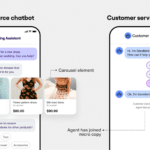
Shopping experiences are another area undergoing rapid transformation. In 2026 consumer AI plays a central role in product discovery personalization and purchasing decisions. AI systems analyze preferences past behavior and real time context to recommend products that align closely with individual needs. Virtual shopping assistants guide consumers through choices explain features and even anticipate future needs. This level of personalization reduces decision fatigue and makes shopping feel more tailored and efficient.
Health and wellness applications of consumer AI are also expanding. AI driven fitness coaches nutrition advisors and mental wellness companions are now widely used. These systems track activity patterns offer personalized guidance and adapt recommendations based on progress and feedback. Wearable devices integrated with AI provide real time insights into sleep stress and overall wellbeing. For many consumers AI has become an everyday partner in maintaining healthier lifestyles rather than a tool used only in medical settings.
Education and learning have been reshaped by consumer AI as well. Personalized learning assistants help students of all ages learn at their own pace. These systems adapt content difficulty provide instant feedback and identify knowledge gaps. Lifelong learners use AI tutors to acquire new skills languages and professional competencies. The flexibility and accessibility of AI powered learning tools have made education more inclusive and responsive to individual needs.
Entertainment consumption is increasingly influenced by AI personalization. Streaming platforms games and social media feeds rely on advanced AI models to tailor experiences to individual tastes. In 2026 these systems go beyond recommendation engines and actively shape narratives playlists and interactive experiences in real time. Consumers experience entertainment that adapts to their mood interests and engagement patterns creating a more immersive and personalized environment.
Privacy aware AI is another important trend shaping consumer trust. As AI systems handle more personal data consumers demand greater transparency and control. In response many platforms have introduced privacy centric AI features that allow on device processing data minimization and clearer consent mechanisms. Trust has become a competitive advantage and companies that prioritize responsible AI practices are gaining consumer loyalty.
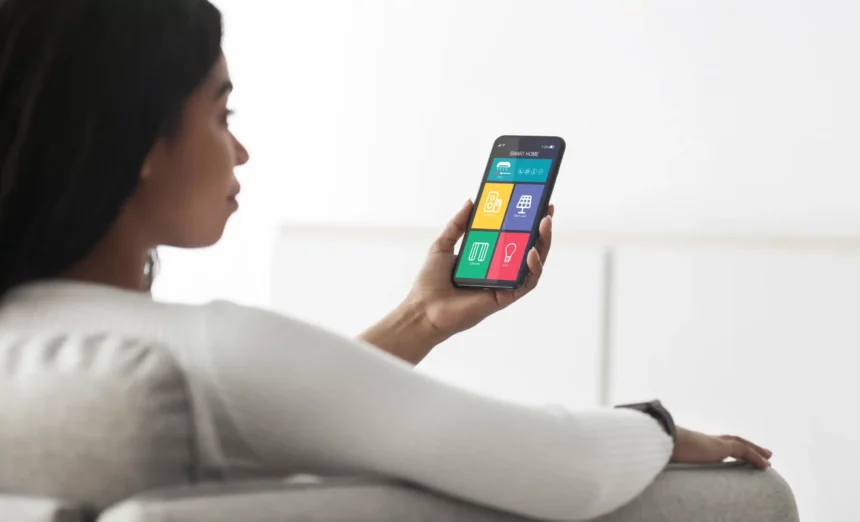
AI driven home environments are becoming more common as well. Smart homes in 2026 use AI to optimize energy usage security and comfort. These systems learn household routines adjust lighting temperature and appliances automatically and respond to changes in behavior. The focus has shifted from controlling devices manually to living in environments that adapt intelligently and unobtrusively.
Language and communication tools powered by AI continue to break down barriers. Real time translation transcription and summarization tools enable smoother communication across cultures and languages. Consumers use AI to draft messages improve tone and clarity and communicate more effectively in both personal and professional contexts. This has made global interaction more accessible and reduced friction in everyday communication.
Perhaps the most defining aspect of consumer AI trends in 2026 is how seamlessly these technologies integrate into life. Rather than feeling like separate applications AI is woven into operating systems devices and services. Consumers interact with AI naturally through conversation gesture and context without needing technical knowledge. This invisible integration is what makes AI feel truly consumer focused.
Looking ahead the trajectory of consumer AI suggests continued emphasis on autonomy personalization and trust. As systems become more capable the relationship between humans and AI will continue to evolve. The biggest trends are not about replacing people but about augmenting human abilities freeing time and enabling more meaningful experiences. In 2026 consumer AI is no longer a novelty but a foundational layer of modern life shaping how people live learn create and connect.
Short Consumer Research Summary and Opinion
Consumer research shows that artificial intelligence in 2026 is moving from being a background technology to an everyday personal assistant that actively helps people make decisions. Most consumers are no longer interacting with AI as a separate tool. Instead AI is embedded into phones apps homes shopping experiences and entertainment platforms, often working quietly without requiring technical knowledge.
The strongest trend is the shift from reactive AI to proactive and agent based systems. Consumers increasingly expect AI to anticipate needs, save time, and act on their behalf within set boundaries. This includes managing schedules, recommending purchases, creating content, supporting health goals, and simplifying daily tasks. Research indicates that convenience and personalization are the main drivers of adoption rather than novelty or technical performance.
Another key insight is that trust and privacy now play a major role in consumer acceptance. While people value smarter AI, they also want transparency and control over personal data. Consumers show higher confidence in AI systems that offer clear privacy settings and explain how decisions are made. This suggests that responsible AI design is becoming a competitive advantage, not just a compliance requirement.
Overall consumer research suggests that AI in 2026 is seen less as a disruptive force and more as a life enhancement layer. When AI is intuitive, reliable, and respectful of privacy, consumers welcome it as a daily partner that improves productivity, creativity, and quality of life. The long term success of consumer AI will depend on how well it balances autonomy, usefulness, and trust.