


The New Frontier of Commerce How AI Agents Are Changing How We Shop and Sell
In the fast evolving world of digital commerce artificial intelligence has transitioned from simple tools that respond to queries to autonomous systems that act on behalf of users at every stage of the shopping journey. In 2026 one company at the forefront of this transformation is Shopify a leading commerce platform that serves millions of merchants worldwide. Through the integration of agentic AI and strategic partnerships with major technology platforms Shopify is redefining how enterprises conduct commerce online. This new chapter in e commerce reflects a broader shift in the industry toward experiences that are more seamless personalized and enabled by autonomous agents that can understand intent make decisions and complete purchases without direct human involvement.
At the heart of this evolution is the concept of agentic AI a class of artificial intelligence designed not just to generate responses to human input but to take actions proactively toward defined goals such as finding products comparing options applying discounts and completing checkouts. Traditional AI in shopping once relied on keyword search and static recommendations but agentic AI systems can operate continuously adapt to user preferences and automate complex workflows that previously required manual effort. These systems are a significant step beyond reactive interfaces because they empower users to delegate entire shopping tasks to intelligent systems that think and act on their behalf.
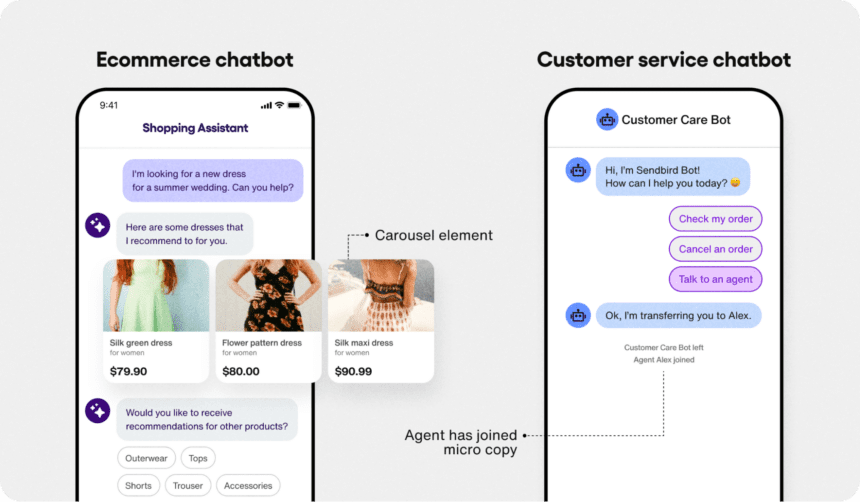
Shopify has embraced agentic AI across multiple fronts by releasing tools that allow merchants to make their products discoverable across AI platforms like ChatGPT Microsoft’s Copilot and Google’s Gemini. This means shoppers no longer need to navigate traditional storefronts to browse items or complete transactions. Instead these interactions can unfold within AI powered conversations where chatbot agents guide users from discovery to purchase in a fluid experience that feels natural and conversational. Merchants benefit because they can reach potential customers in environments where people increasingly seek recommendations and responses rather than navigating websites or apps.
One cornerstone of Shopify’s agentic strategy is its Agentic Storefronts initiative. With this tool merchants can syndicate their catalogs across a range of AI platforms so that their products show up during conversations in AI chat interfaces. This opens up commerce to new touchpoints and reduces the friction that often accompanies traditional e commerce browsing. Agentic Storefronts also help brands maintain control of their identity and customer relationships while ensuring that orders and customer behavior are accurately attributed within the Shopify system. Merchants can see where orders originate track trends and optimize for discoverability across AI channels.
As agentic commerce gains traction Shopify and its partners are also enabling deeper levels of autonomy for AI systems. Rather than guiding shoppers only halfway through their journey these systems can now handle entire purchase flows enabling tasks like applying discount codes managing loyalty programs and even recurring billing all without the shopper having to intervene. This shift toward full workflow automation reflects a broader industry trend and places Shopify in a central role among commerce infrastructure providers.
The impact of these developments is already visible in commerce metrics. Shopify has reported dramatic increases in traffic originating from AI driven interactions and corresponding spikes in order activity attributable to agentic agents. This is clear evidence that consumers are comfortable engaging with AI systems to discover and purchase products in ways that feel natural conversational and instant. Rather than searching separately for products and then checking out on web pages users can initiate and complete purchases within the same AI environment.
Underpinning this transformation are broader efforts to establish protocols and standards that make agentic commerce interoperable across platforms. Industry players including Shopify Google and Microsoft are collaborating on universal systems that allow AI agents to communicate with merchant catalogs shopping carts and payment infrastructures in a more seamless manner. These standards aim to reduce the complexity of integrating multiple channels while preserving security accountability and brand experience for merchants.
A significant part of Shopify’s agentic strategy also involves equipping developers with workspaces and tools to build custom agent driven shopping experiences. By opening up access to application programming interfaces and development dashboards Shopify is enabling innovators to prototype and deploy AI agents that can discover products assemble carts and even complete transactions based on customer intent without traditional user interface interactions. These open toolchains reduce technical barriers and accelerate the adoption of agentic commerce by brands of all sizes.
Enterprise level commerce is also benefiting from these AI driven changes. Large merchants and international markets have embraced agentic AI for operations automation personalized marketing and global customer reach. Shopify’s investments in enterprise commerce reflect a strategic vision where AI plays a central role in making sophisticated e commerce capabilities accessible beyond small and medium sized businesses. This democratization of advanced commerce tools is reshaping competitive dynamics as larger brands leverage agentic systems to optimize their merchandising logistics and customer engagement.
What makes agentic AI particularly compelling is its ability to personalize the shopping experience at an unprecedented scale. Instead of static recommendations based on past clicks or purchases these systems actively learn consumer intents in real time tailoring suggestions and negotiating purchasing options that align with specific preferences. This marks a departure from one size fits all algorithms toward intelligent systems that anticipate needs adapt dynamically and improve interactions across the entire commerce lifecycle.
Of course there are challenges facing agentic commerce as it grows. Questions about privacy transparency and trust are paramount as AI agents collect and process vast amounts of user data to deliver seamless experiences. Businesses must balance convenience with robust privacy practices ensuring that user information is handled ethically and securely. As these technologies evolve regulators are also closely watching the development of standards that govern agentic commerce to ensure consumer protections keep pace with innovation.
Nevertheless the potential of agentic AI in commerce is immense with projections suggesting that autonomous systems could unlock trillions of dollars in global retail revenue by the end of the decade. If this forecast holds true the current wave of innovation will be seen as a foundational shift where commerce was transformed by digital agents that understand context negotiate terms and execute complex decisions on behalf of humans.
Ultimately Shopify’s embrace of agentic AI is part of a broader narrative in which commerce is moving away from traditional browsing and toward intelligent assistance that feels natural and empowered. As consumers grow accustomed to conversational shopping experiences merchants must rethink how they present brands engage customers and structure their digital storefronts. Companies that invest in agentic readiness today position themselves for success in a future where AI driven interactions become the norm rather than the exception.
Through initiatives like Agentic Storefronts developer tools and strategic partnerships Shopify is not only adapting to these trends but actively shaping them. As agentic AI continues to embed itself into the commerce fabric enterprise brands will find new opportunities to connect with customers innovate faster and operate more efficiently at scale. This next chapter promises a commerce landscape that is more intuitive responsive and aligned with how people naturally interact with technology every day.