


How digital money, political power, and hype collided to create a financial machine unlike anything America has seen.
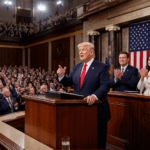
Donald Trump’s move into crypto has grown into something far bigger than a meme coin craze or a flashy business project. It has evolved into a new kind of influence economy that mixes political power, digital assets, big money, and global interest in a way the United States has never dealt with before. What started as a quirky experiment has now become a blend of political branding, investor excitement, and a new financial ecosystem built around Trump’s public image.
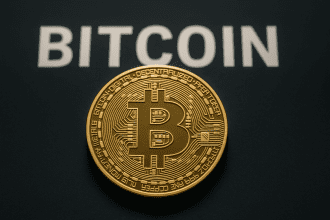
The shift began when Trump’s businesses expanded from real estate into the world of crypto, where volatility and hype create overnight success. World Liberty Financial (WLF), a DeFi platform tied to the Trump family, became the backbone of this new empire. It sold governance tokens, attracted massive investor interest, and blurred lines between politics and profit. By early 2025, hundreds of millions of dollars had reportedly flowed into the project, many from international sources. At the same time, the $TRUMP meme coin captured global headlines as it skyrocketed on speculation and brand loyalty rather than traditional utility. Some investors spent huge amounts just to be associated with the Trump name or to gain perceived access to political influence.
The most controversial part of this new empire is how it functions as a channel for influence. Instead of traditional political donations, which require transparency, some supporters simply purchased tokens or invested in Trump-linked crypto ventures. These transactions often bypassed scrutiny, raising concerns about “shadow lobbying,” where political support can be bought in ways that are difficult to trace. Critics argue that this method allows wealthy individuals or even foreign actors to gain influence through crypto purchases rather than regulated political routes.
Adding to the concerns, Trump’s administration made major moves that changed the regulatory landscape. Enforcement teams focused on crypto oversight were dismantled, investigations were softened, and certain companies connected to the ecosystem seemed to benefit from reduced scrutiny. At the same time, Trump’s public comments about crypto had the power to shift the market instantly and because he reportedly held billions in various crypto assets, the value of those holdings often increased based on his own statements or policy changes. This unique situation created a feedback loop where political authority and financial gain overlapped in unprecedented ways.
Foreign money has also played a role in this story. Reports claim that international investors, especially from the Middle East and Asia, put large amounts into Trump-linked crypto projects. Some of these investments were later followed by favorable business opportunities, including access to U.S.-made AI chips. That connection sparked national security concerns, as it suggested that foreign governments could potentially influence U.S. policy simply by investing in certain digital assets.
The wider implications of this model are enormous. It represents a shift in how political power can be financed, how influence can be bought, and how technology can blur the boundaries between public office and private wealth. Supporters see Trump’s crypto ecosystem as a bold modernization of finance, a way to break free from traditional systems and empower global investors. Critics see it as a dangerous loophole that erodes transparency, threatens democratic norms, and places political power in the hands of anonymous wallets and speculative markets.
Despite the hype, cracks are now beginning to appear. Several Trump-linked tokens and ventures have seen sharp declines, with some losing more than 90% of their value. Firms tied to the project have experienced stock drops, and investors who bought in late are facing significant losses. Regulators, journalists, and watchdogs are applying more pressure, raising questions about legality, ethics, and long-term stability. Some experts warn that if the empire collapses, millions of dollars could evaporate overnight, leaving everyday investors at risk while insiders walk away with massive profits.
Looking ahead, Trump’s crypto empire will likely shape how future political campaigns and financial systems evolve. If it survives, it may become a blueprint for other political figures to build similar token-based ecosystems. If it fails, it could trigger new laws, stricter regulations, and a rethinking of how digital assets fit into national politics. One thing is clear: the experiment has already changed the conversation around money, power, and technology.
Trump’s influence economy may be bold, innovative, and profitable but it is also fraught with controversy, uncertainty, and questions about what happens when political ambition meets digital speculation. Whether it becomes a lasting financial dynasty or a cautionary tale, it will be remembered as a defining chapter in America’s crypto era.